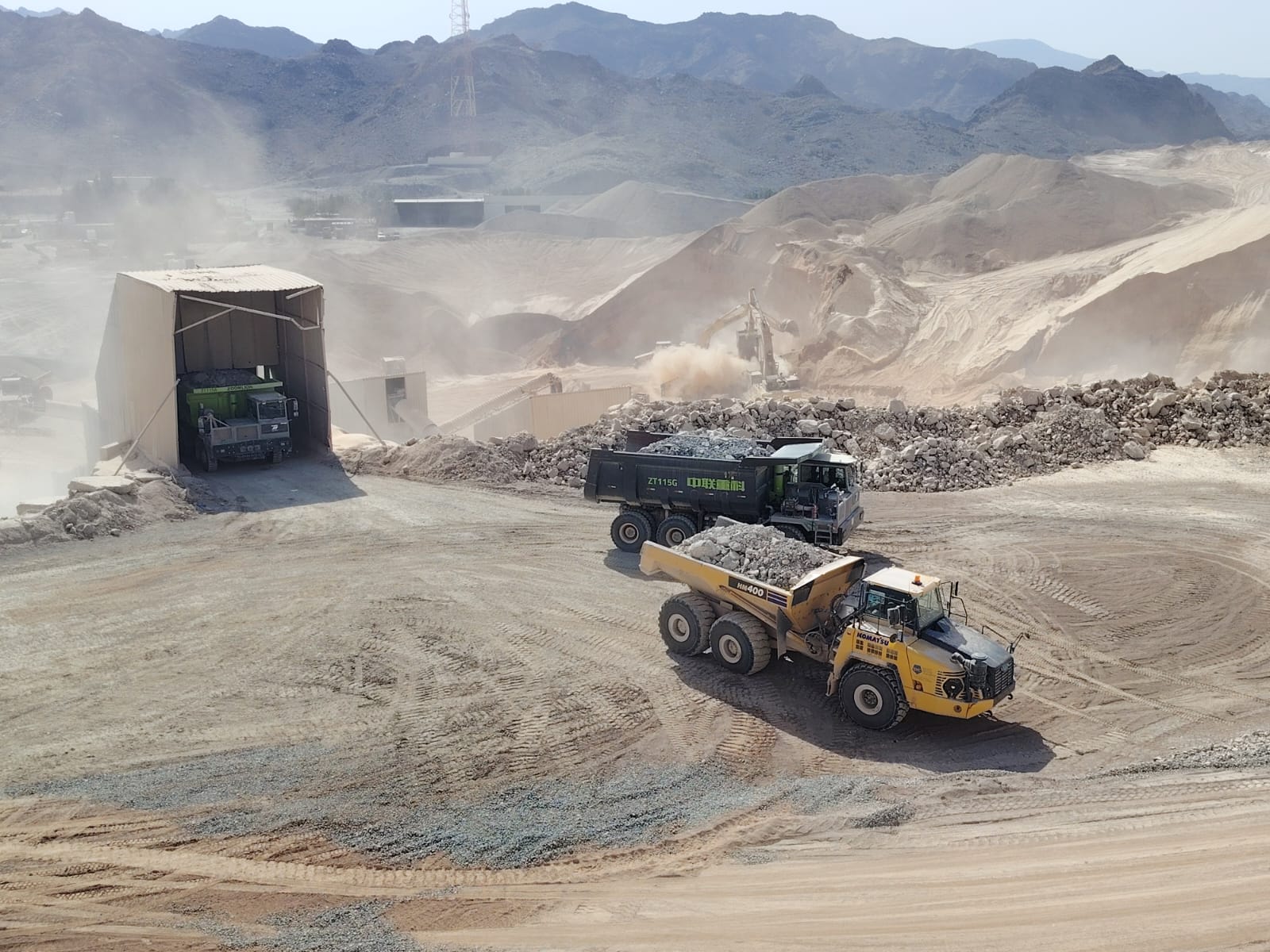

Safety Measures in Drilling and Blasting: Best Practices for Safe and Efficient Mining Operations
Drilling and blasting are among the most critical activities in mining, quarrying, tunneling, and large-scale construction projects. While these techniques enable efficient rock excavation, they also involve significant risks if not planned and executed properly. From handling explosives to controlling ground vibrations and ensuring worker safety, every stage of the process requires strict adherence to safety standards.
Implementing effective safety measures in drilling and blasting not only protects workers and nearby communities but also improves operational efficiency, reduces downtime, and ensures compliance with industry regulations.
At Mas Rock Engineering, safety is integrated into every phase of drilling and blasting operations. Our experienced engineers follow industry best practices, advanced technologies, and rigorous safety protocols to deliver reliable and secure blasting solutions.
Why Safety is Critical in Drilling and Blasting
Blasting operations involve powerful explosives capable of moving thousands of tons of rock in seconds. Without proper planning and control, incidents can lead to injuries, equipment damage, environmental issues, and project delays.
A strong safety culture helps organizations:
- Protect workers and contractors
- Reduce operational risks
- Prevent accidents
- Improve productivity
- Ensure legal compliance
- Minimize environmental impact
- Enhance project efficiency
Safety is not just a regulatory requirement—it is essential for sustainable mining and construction operations.
Common Hazards in Drilling and Blasting
Understanding potential hazards is the first step toward preventing accidents.
1. Fly Rock
Improper blast design can cause rocks to travel beyond the designated blast zone, posing serious risks to workers, equipment, and nearby properties.
2. Ground Vibrations
Excessive vibrations may damage nearby buildings, tunnels, pipelines, or other infrastructure if not properly controlled.
3. Air Blast and Noise
Blasting generates high-pressure air waves and loud noise that can affect workers and surrounding communities.
4. Dust Generation
Drilling and blasting produce significant dust, which may impact respiratory health and reduce visibility on-site.
5. Misfires
A misfire occurs when explosives fail to detonate as intended, creating hazardous conditions that require specialized handling.
6. Explosive Handling Risks
Improper storage, transportation, or loading of explosives can lead to accidental detonation or other dangerous situations.
Essential Safety Measures in Drilling and Blasting
Conduct Comprehensive Risk Assessments
Every project should begin with a detailed risk assessment to identify potential hazards and implement appropriate mitigation measures.
This includes evaluating:
- Geological conditions
- Rock stability
- Weather conditions
- Nearby infrastructure
- Environmental factors
- Emergency response requirements
Proper planning significantly reduces the likelihood of accidents.
Develop a Detailed Blast Design
A professionally engineered blast design improves both safety and efficiency.
The design should specify:
- Hole diameter
- Hole depth
- Burden and spacing
- Explosive quantity
- Delay timing
- Blast sequence
Accurate blast design minimizes fly rock, excessive vibration, and poor fragmentation.
Use Qualified Personnel
Only trained and certified professionals should conduct drilling and blasting activities.
Qualified personnel are responsible for:
- Blast planning
- Explosive handling
- Equipment inspection
- Safety monitoring
- Blast execution
- Post-blast evaluation
Continuous training ensures teams remain updated on the latest safety standards and technologies.
Follow Safe Explosive Handling Procedures
Explosives must be managed with extreme care throughout their lifecycle.
Best practices include:
- Secure storage in approved magazines
- Controlled transportation
- Proper inventory management
- Safe loading procedures
- Strict access control
- Compliance with applicable regulations
Every explosive should be handled according to manufacturer guidelines and legal requirements.
Establish Blast Exclusion Zones
Before blasting begins, the area must be secured to prevent unauthorized access.
Key measures include:
- Safety barricades
- Warning signs
- Audible sirens
- Radio communication
- Personnel evacuation
- Security monitoring
No one should remain within the designated danger zone during detonation.
Wear Appropriate Personal Protective Equipment (PPE)
Workers involved in drilling and blasting should wear suitable PPE, including:
- Safety helmets
- Protective eyewear
- Hearing protection
- High-visibility clothing
- Steel-toe boots
- Respiratory protection
- Protective gloves
Regular inspection and replacement of PPE ensure ongoing effectiveness.
Inspect Equipment Regularly
Drilling rigs, detonators, compressors, and blasting equipment should undergo routine inspections and preventive maintenance.
Equipment checks help identify:
- Mechanical failures
- Hydraulic leaks
- Electrical issues
- Worn components
- Calibration problems
Reliable equipment reduces operational risks and improves productivity.
Monitor Weather Conditions
Adverse weather can affect drilling and blasting safety.
Operations may need to be postponed during:
- Lightning storms
- Heavy rainfall
- Strong winds
- Poor visibility
Weather monitoring helps prevent unexpected hazards.
Control Dust and Noise
Environmental safety is an important aspect of blasting operations.
Dust control measures include:
- Water spraying
- Dust suppression systems
- Enclosed drilling equipment
Noise can be reduced through:
- Controlled blast timing
- Optimized explosive loading
- Blast mats where appropriate
Manage Ground Vibrations
Modern vibration monitoring systems help engineers measure and control blast impacts.
Common techniques include:
- Electronic detonators
- Smaller blast charges
- Optimized delay timing
- Improved blast sequencing
Monitoring ensures compliance with environmental and regulatory limits.
Prepare Emergency Response Plans
Despite careful planning, emergencies can still occur.
Every project should have:
- Emergency communication systems
- First-aid facilities
- Fire response equipment
- Evacuation procedures
- Rescue plans
- Incident reporting systems
Regular emergency drills help teams respond quickly and effectively.
Modern Technologies Improving Safety
Advancements in mining technology have significantly improved drilling and blasting safety.
Electronic Detonators
Provide highly accurate timing and reduce blast variability.
GPS-Guided Drilling
Improves drilling precision and reduces deviation.
Drone Surveys
Enable engineers to inspect blast sites safely before and after blasting.
Blast Simulation Software
Predicts fragmentation, vibration, and blast performance before execution.
Real-Time Monitoring Systems
Track vibration, air pressure, and environmental conditions throughout the operation.
Environmental Safety Considerations
Responsible blasting should minimize environmental impacts.
Important measures include:
- Dust suppression
- Noise reduction
- Controlled vibration
- Efficient explosive usage
- Waste reduction
- Water protection
- Air quality monitoring
Sustainable blasting practices help mining companies meet environmental regulations while maintaining operational efficiency.
Benefits of Strong Safety Practices
Organizations that prioritize blasting safety experience numerous long-term advantages.
These include:
- Fewer workplace accidents
- Improved employee confidence
- Reduced project delays
- Lower maintenance costs
- Better equipment performance
- Increased operational efficiency
- Stronger regulatory compliance
- Enhanced company reputation
Investing in safety ultimately improves both productivity and profitability.
Why Choose Mas Rock Engineering?
At Mas Rock Engineering, safety is the foundation of every drilling and blasting project. Our experienced team combines technical expertise, modern equipment, and industry-leading safety practices to deliver reliable solutions for mining, quarrying, infrastructure, and construction projects.
Our commitment includes:
- Certified blasting professionals
- Advanced blast design
- Strict safety management systems
- Modern drilling equipment
- Environmental responsibility
- Continuous workforce training
- Regulatory compliance
- Comprehensive project planning
We work closely with clients to ensure every project is completed safely, efficiently, and on schedule.
Frequently Asked Questions (FAQs)
1. Why is safety important in drilling and blasting?
Safety helps prevent accidents, protects workers and nearby communities, reduces environmental impacts, and ensures compliance with industry regulations.
2. What PPE is required during drilling and blasting?
Workers typically wear safety helmets, eye protection, hearing protection, gloves, high-visibility clothing, steel-toe boots, and respiratory protection where required.
3. How can ground vibrations be controlled during blasting?
Ground vibrations can be minimized through proper blast design, electronic detonators, optimized charge sizes, delay sequencing, and continuous vibration monitoring.
4. What should be included in a blast safety plan?
A blast safety plan should include risk assessments, blast design, exclusion zones, communication procedures, emergency response plans, equipment inspections, and post-blast evaluations.
5. Why choose Mas Rock Engineering for drilling and blasting services?
Mas Rock Engineering provides experienced professionals, advanced equipment, strict safety protocols, customized blast designs, and environmentally responsible practices to ensure safe and efficient project execution.
Conclusion
Safety in drilling and blasting is essential for protecting workers, equipment, nearby communities, and the environment. Through careful planning, qualified personnel, modern technologies, and strict adherence to safety procedures, mining and construction companies can significantly reduce operational risks while improving productivity.
Partnering with an experienced contractor like Mas Rock Engineering ensures that every drilling and blasting operation is executed with precision, professionalism, and a strong commitment to safety.